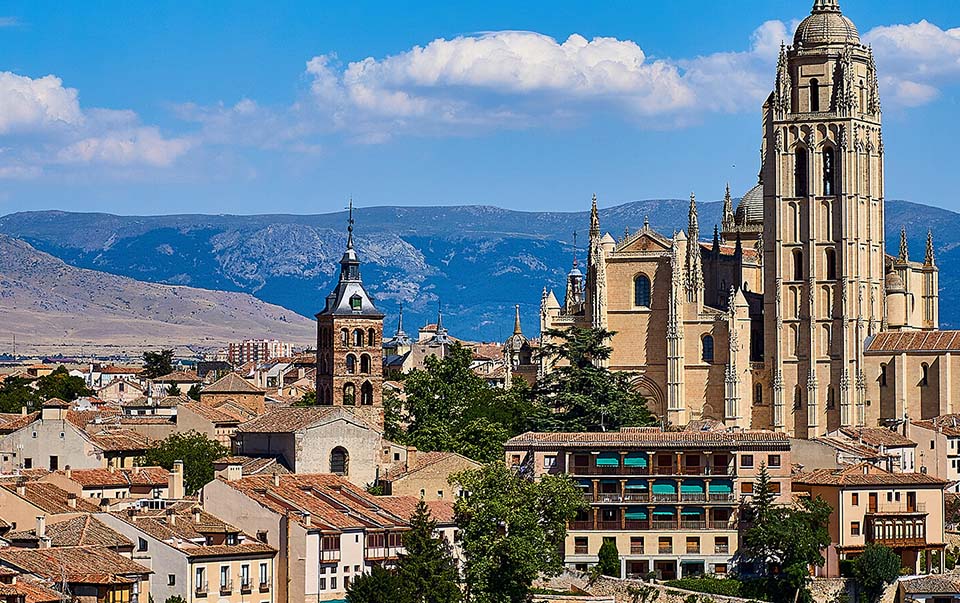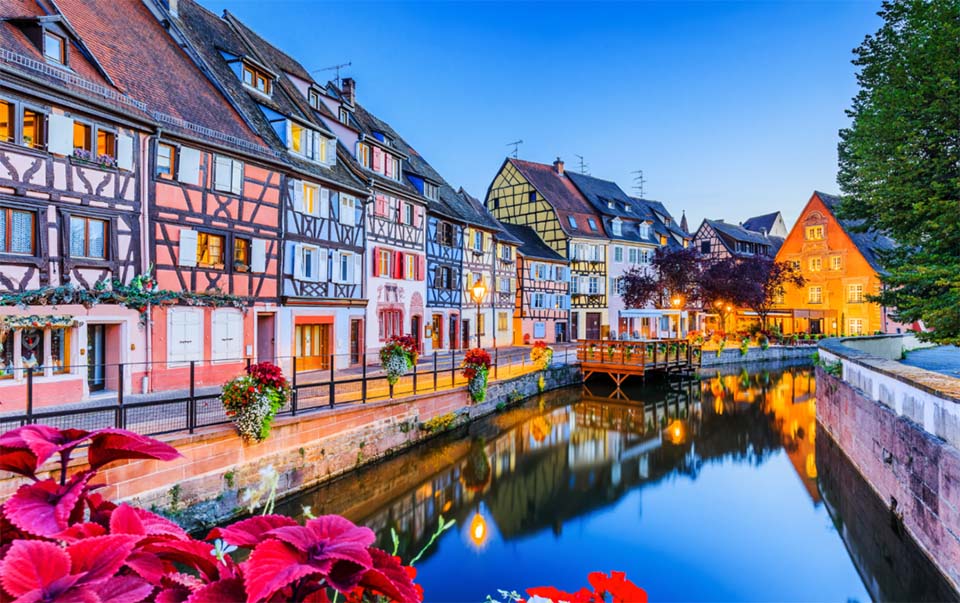
Arriving in Bayonne, France, felt like stepping into a well-preserved secret, a little gem tucked away in the southwestern corner of the country. After months of anticipation, the reality of the town’s vibrant colors, the aroma of freshly baked pastries, and the sound of the river flowing gently by hit me all at once. Bayonne, a town where history and modern life meet with perfect harmony, quickly became one of my favorite destinations in France. With its Basque influences, ancient architecture, and warm atmosphere, it was easy to fall in love.
1. The Journey Begins: Entering Bayonne
The first impression upon arriving in Bayonne was a sense of tranquility, unlike the bustling big cities of France. The train station was small but charming, and the streets, though lively, didn’t feel overcrowded. It was as though time had slowed down here. My heart raced with excitement as I began my exploration. I had arrived just as the sun began to dip low, casting a soft golden light over the town, and everything seemed to sparkle in that perfect glow.
I made my way out of the station, and the cobblestone streets immediately caught my attention. The texture of the stones underfoot was a reminder of the town’s rich history, as they had likely been walked on for centuries. The buildings, some towering and others more humble, were adorned with shutters painted in bold colors like reds, blues, and greens, giving the town a Mediterranean flair. Despite its Basque roots, Bayonne’s atmosphere felt undeniably French.
2. Strolling Through the Old Town
Bayonne’s Old Town is one of the most picturesque places I’ve ever visited. As I walked down the narrow streets, the distinctive half-timbered houses with their painted facades immediately drew my attention. Each corner seemed to offer something new to admire—a quirky café tucked between two buildings, a boutique selling local artisanal products, or a small passage leading to a hidden courtyard.
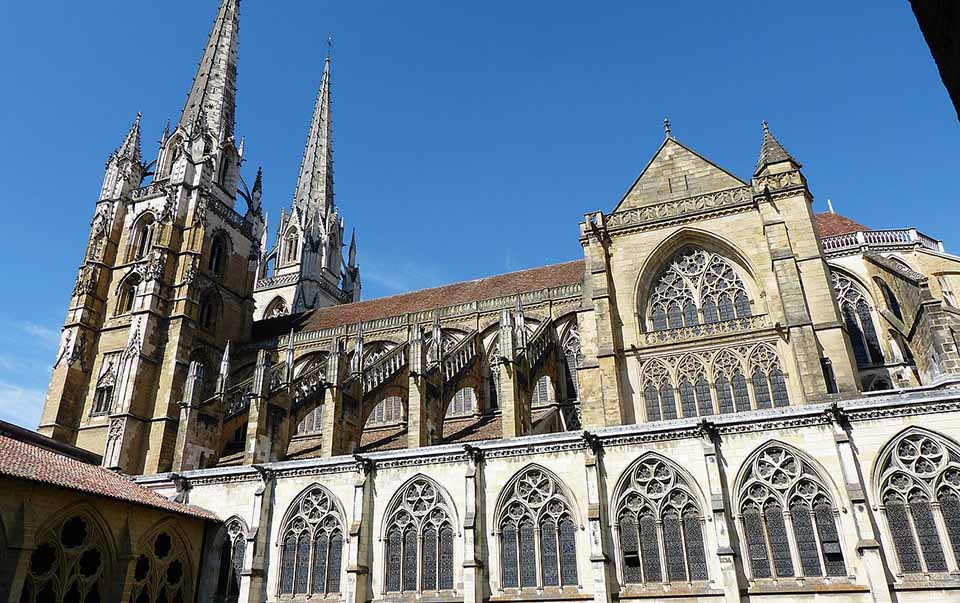
I had no particular destination in mind, and that turned out to be the best way to explore. One of the first stops was the Cathédrale Sainte-Marie de Bayonne, an imposing Gothic structure that looms over the town’s skyline. The cathedral’s intricate stone carvings and towering spires made it a striking sight, especially as the light began to fade, giving the stone a soft, golden hue. I ventured inside, where the cool, dark interior was quiet, except for the sound of my footsteps echoing through the vast space. The stained glass windows created a kaleidoscope of colors on the stone floors, and the atmosphere inside was almost sacred, evoking a sense of peace and contemplation.
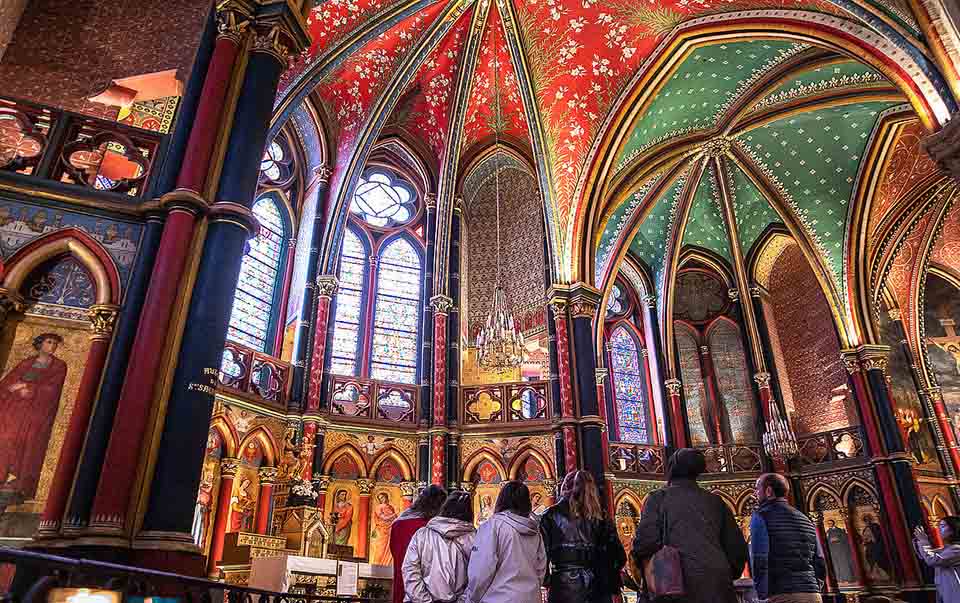
After spending some time admiring the cathedral’s beauty, I continued my stroll through the town. Every time I turned a corner, I encountered something different. One street was lined with chocolate shops, where the scent of sweet cocoa hung in the air, and I couldn’t resist entering a few to sample the local Basque chocolates. The Basques take their chocolate seriously here, and the treats didn’t disappoint—rich, creamy, and just the right amount of sweetness.
3. Crossing the River: The Beauty of Bayonne’s Bridges
Bayonne sits at the confluence of the Nive and Adour rivers, and the bridges that cross these waterways are iconic landmarks in the town. The Pont Saint-Esprit and Pont de la Nive each offer a unique perspective of the town. I crossed the Pont Saint-Esprit, a stone bridge that dates back to the 12th century, and marveled at the view of the river glistening below, framed by the houses lining the banks.
Walking along the riverbanks was a peaceful experience. I passed by locals enjoying the evening on benches, and fishermen casting their lines into the water. The sounds of the river rushing over the stones added a natural soundtrack to my exploration, making the whole experience feel meditative. I paused to take a few photos, but I also made sure to simply enjoy the moment, soaking in the atmosphere of this quiet, scenic town.
4. A Taste of Bayonne: Local Cuisine
One of the things that truly sets Bayonne apart is its food. The town’s Basque heritage means that food is a central part of its identity, and every meal felt like a celebration of local flavors. I made it a point to try as many Basque dishes as possible during my stay.
My first meal was at a traditional pintxos bar, where small skewers of food are served with drinks. These bite-sized delicacies, often made with fresh seafood, cured meats, and vegetables, were perfect for sampling a variety of local flavors. I tried a skewer with jamón de Bayonne, a cured ham that the region is famous for. The ham was rich, tender, and full of flavor, and paired perfectly with a glass of Txakoli, a crisp white wine from the Basque Country.
The next day, I ventured into one of the local markets to sample even more of the region’s specialties. The Marché de Bayonne, located in the heart of the town, was a sensory overload in the best possible way. The market was a riot of colors, with stalls offering everything from ripe tomatoes to fresh fish to artisan cheeses. I picked up a piece of Ossau-Iraty, a sheep’s milk cheese native to the Basque region, which became a staple of my meals during the rest of my trip.
For dinner, I treated myself to a classic Basque dish—axoa, a stew made with tender veal, peppers, onions, and Basque spices. The dish was hearty and comforting, with just the right amount of spice to give it a kick without overwhelming the flavors. Paired with a glass of local red wine, it was the perfect meal to end a day of exploration.
5. A Night in Bayonne
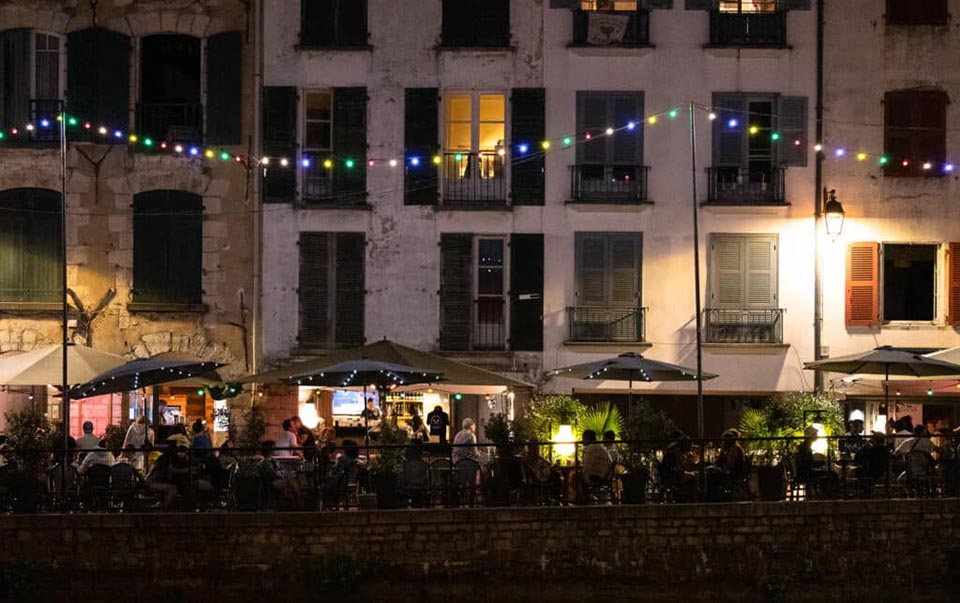
As the evening settled in, Bayonne took on a different charm. The streets that had been bustling with activity during the day now felt quieter, but the town still hummed with life. I wandered through the Place des Basques, a lively square surrounded by cafés and bars. The sound of laughter and conversation drifted from the outdoor terraces as locals and visitors alike gathered to enjoy the cool evening air.
I decided to stop at one of the bars for a Cidre, the Basque version of cider, which is a bit more tart and less fizzy than what I was used to back home. The cider was served in a traditional manner—poured from a height into a glass to aerate it and release the aromas. It was refreshing and the perfect drink to sip while watching the world go by.
As I walked back to my accommodation, the night sky was clear, and the twinkling lights of Bayonne reflected off the river. The town felt like a dream, one I didn’t want to wake up from. The warmth of the evening, combined with the sense of peace that enveloped the streets, made it clear that Bayonne was not just a place I was visiting, but a place I would carry with me long after leaving.
6. The People of Bayonne: Welcoming and Warm
Throughout my time in Bayonne, I was constantly struck by the friendliness and warmth of the people. Whether I was chatting with the owner of a café, exchanging pleasantries with a shopkeeper, or simply asking for directions, everyone was eager to share a bit of the town’s story with me. In a place so rich in tradition and history, it’s clear that the people of Bayonne take great pride in their town and are more than happy to share it with visitors.
One morning, while I was enjoying a coffee at a local café, I struck up a conversation with an elderly man who had lived in Bayonne his whole life. He told me about the town’s history, the traditions of the Basque people, and how much it had changed over the years. His passion for Bayonne was evident, and it was a reminder of how much the locals care about preserving their heritage while embracing the changes that come with time.
7. Departure: Leaving with Memories
When it was time to leave Bayonne, I felt a bittersweet feeling. The town had won a special place in my heart, and leaving felt like I was leaving a little piece of myself behind. But even though I was leaving, I knew that the memories I had made in Bayonne would stay with me forever. The sights, the smells, the sounds, and the tastes of this charming French town had woven themselves into my experience, and I couldn’t help but think about when I would return.
Bayonne is a place that captures the essence of a perfect small town: rich in culture, brimming with history, and infused with a warmth that comes from its people. It was an unforgettable experience, and as I boarded the train to my next destination, I knew that Bayonne would always be a place I could return to in my mind, whenever I needed to escape into the quiet, colorful beauty of southern France.