Pau, a charming city nestled in the heart of southwestern France, offers more than just breathtaking views of the Pyrenees mountains. It is a place where history meets culture, and the fusion of flavors makes it a hidden gem for food lovers. As I wandered through its cobblestone streets, I discovered that Pau is not just known for its scenic beauty but also for its exquisite cuisine, heavily influenced by the surrounding Pyrenees region. From rich mountain flavors to fresh local produce, Pau’s culinary scene is a celebration of the area’s natural bounty.
During my stay in Pau, I set out to experience the true essence of the Pyrenees through its food. Whether you’re in the mood for a casual meal or a fine dining experience, the restaurants in Pau offer a range of options that bring the region’s flavors to life. I’ll share my journey through some of the best eateries in Pau, where you can enjoy the essence of the Pyrenees in every bite.
1. A Taste of Tradition: Restaurant Le Baladin
Le Baladin, located in the heart of Pau’s historic center, is a place where tradition meets modern cuisine. The atmosphere here immediately struck me—it was cozy yet stylish, with a blend of rustic charm and contemporary design. As I settled into my seat, the menu caught my eye, and it was clear this restaurant focused on the ingredients that make the Pyrenees so special.
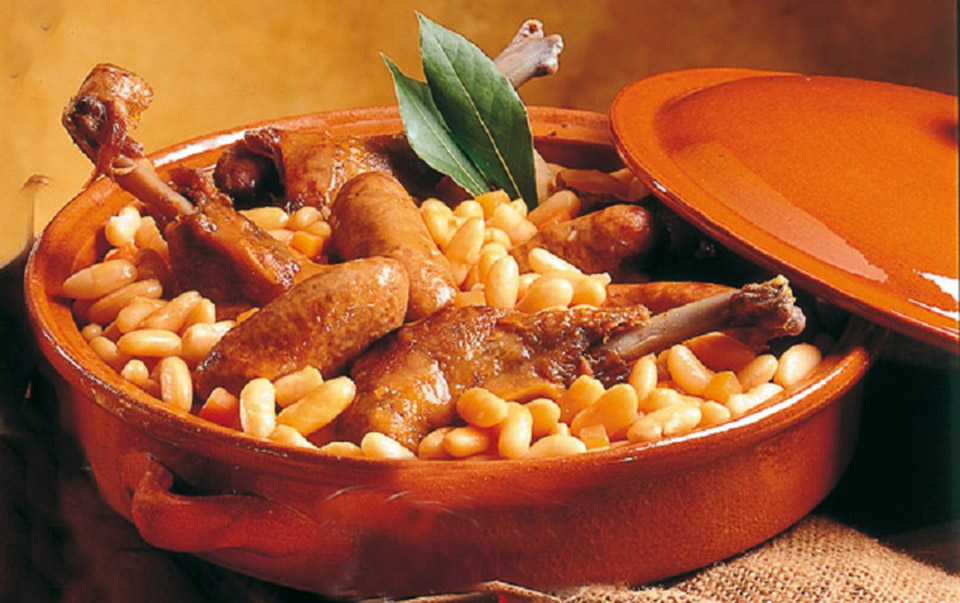
The standout dish for me was their “Cassoulet de Canard,” a rich and flavorful duck stew that featured tender meat and beans, slowly cooked to perfection. Each bite was a comforting reminder of the region’s slow-cooked heritage. Accompanying the dish was a glass of local red wine, which complemented the flavors beautifully. The wine list here was carefully curated, with selections from the nearby Madiran and Jurançon regions—two areas known for producing robust reds and aromatic whites that pair wonderfully with Pau’s local dishes.
Le Baladin also offers a variety of cheeses from the Pyrenees, including the famous Ossau-Iraty. The cheese, made from sheep’s milk, has a distinct, slightly nutty flavor that pairs perfectly with a glass of dry white wine. If you’re looking for a traditional yet elevated dining experience, Le Baladin is a must-visit.
2. The Warmth of Local Hospitality at L’Auberge du Bois d’Abel
Another gem I stumbled upon during my time in Pau was L’Auberge du Bois d’Abel. Tucked away on the outskirts of the city, this charming inn offers a rustic yet inviting atmosphere. As I walked into the restaurant, the warm crackling of a fireplace and the scent of wood-burning stoves welcomed me. The restaurant specializes in regional Pyrenean cuisine, and I could sense the authenticity in every dish.
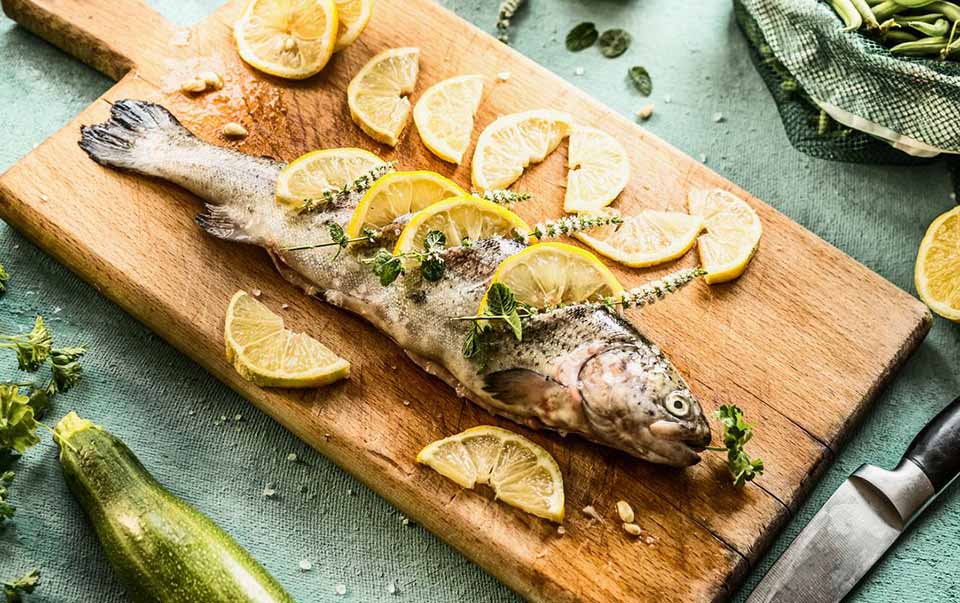
The “Truite des Pyrénées” (Pyrenean Trout) was a highlight. Sourced directly from the mountain streams, the fish was incredibly fresh, its delicate flavor enhanced by a simple preparation of butter, garlic, and herbs. The dish was light yet rich in flavor, showcasing the natural beauty of the Pyrenees in every bite. It was served with a side of seasonal vegetables, all sourced from local farms, making the entire meal feel like a tribute to the region’s natural produce.
For dessert, I indulged in a classic “Tarte Tatin,” which was as delicious as it was comforting. The sweetness of the caramelized apples, coupled with the buttery crust, was the perfect end to a meal that felt like a warm embrace from the Pyrenees itself.
3. Modern Flavors at La Table d’Olivier
For those who prefer a more contemporary twist on traditional Pyrenean flavors, La Table d’Olivier is a must-visit. Situated near the Château de Pau, the restaurant offers an innovative approach to local ingredients. The setting is sleek and modern, with minimalist décor that focuses on the food rather than the surroundings.
The tasting menu at La Table d’Olivier is a journey through the flavors of the Pyrenees, with each course thoughtfully crafted to highlight the best of local ingredients. One dish that stood out to me was the “Foie Gras Poêlé” (pan-seared foie gras), which was served with a delicate pear compote and a drizzle of balsamic reduction. The foie gras was perfectly cooked, with a rich, melt-in-your-mouth texture that contrasted beautifully with the sweet and tangy compote.
Another highlight was the “Agneau de Pyrénées” (Pyrenean Lamb), which was cooked to perfection and served with a velvety rosemary-infused sauce. The lamb had a rich, gamey flavor that was balanced beautifully by the accompanying vegetables and the depth of the sauce. La Table d’Olivier offers a refined, yet accessible, take on Pyrenean cuisine that showcases both innovation and tradition.
4. Dining with a View: Le Hédoniste
One of the most memorable dining experiences I had in Pau was at Le Hédoniste, a restaurant that combines stunning views of the surrounding mountains with exceptional food. Located on the outskirts of the city, Le Hédoniste offers both indoor and outdoor seating, with panoramic views of the Pyrenees that make the meal feel like an experience for all the senses.
The restaurant focuses on using locally sourced ingredients, with an emphasis on sustainability and seasonality. The menu is a modern take on classic Pyrenean dishes, with an emphasis on fresh, vibrant flavors. I opted for the “Côte de Veau” (Veal Chop), which was cooked to a perfect medium-rare and served with a side of creamy mashed potatoes and a light, lemony sauce that cut through the richness of the veal. It was a dish that was both satisfying and refined, with the meat tender and full of flavor.
The wine list at Le Hédoniste is an extensive selection of local and regional wines, offering the perfect pairing for each dish. I recommend trying a glass of Jurançon, a white wine from the region that has a beautiful balance of sweetness and acidity—perfect for complementing the richness of the food.

5. Discovering the Local Market: Pau’s Farmers Market
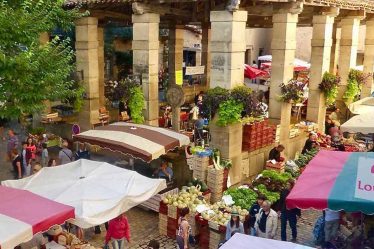
No visit to Pau would be complete without a trip to the city’s vibrant farmers market. Located in the heart of the city, the market is a bustling hub of activity, with local vendors offering everything from fresh produce to artisanal cheeses, cured meats, and freshly baked bread. It was here that I truly appreciated the connection between the food I was enjoying at the restaurants and the farmers who cultivated the ingredients.
The market is an ideal place to pick up local products, like jars of homemade chutneys, bottles of local wine, or a wedge of delicious cheese. I spent hours wandering through the stalls, tasting everything from freshly picked strawberries to a variety of olives that were unlike any I had tasted before. The atmosphere was lively, with vendors eager to share the stories behind their products and local chefs browsing for ingredients to incorporate into their next dishes.
If you’re interested in cooking your own Pyrenean-inspired meals, the market is a great place to start. The local ingredients are second to none, and there’s something deeply satisfying about knowing exactly where your food comes from.
6. How to Make Reservations and Discover More Dining Options
If you’re planning to explore Pau’s culinary scene, making reservations ahead of time is highly recommended, especially during peak seasons. Platforms like TheFork and Bookatable are excellent resources for securing a table at your favorite restaurants. They not only allow you to book your spot but also provide customer reviews and the option to browse restaurant menus, making it easy to choose the perfect place to dine.
For those who want to explore even more dining options in Pau, the app TripAdvisor offers a comprehensive list of restaurants, complete with ratings and reviews. I found it particularly helpful when I was looking for hidden gems and new places to try.
While many of the restaurants in Pau are easily accessible, using these booking platforms can help you plan ahead, ensuring that you get the best seat in the house without having to worry about availability.
As I reflect on my time in Pau, it’s clear that this city offers an unforgettable culinary journey. From the traditional flavors of slow-cooked duck to the modern reinterpretations of Pyrenean ingredients, Pau’s food scene is both rich and diverse. Each meal was a story in itself, an exploration of the region’s culture, history, and natural beauty. Whether you’re a connoisseur of French cuisine or simply looking for a unique culinary adventure, Pau is a destination that offers an authentic taste of the Pyrenees.