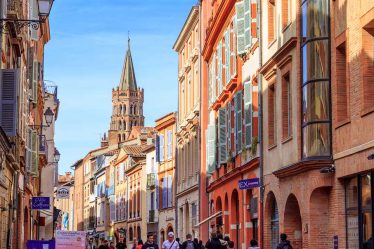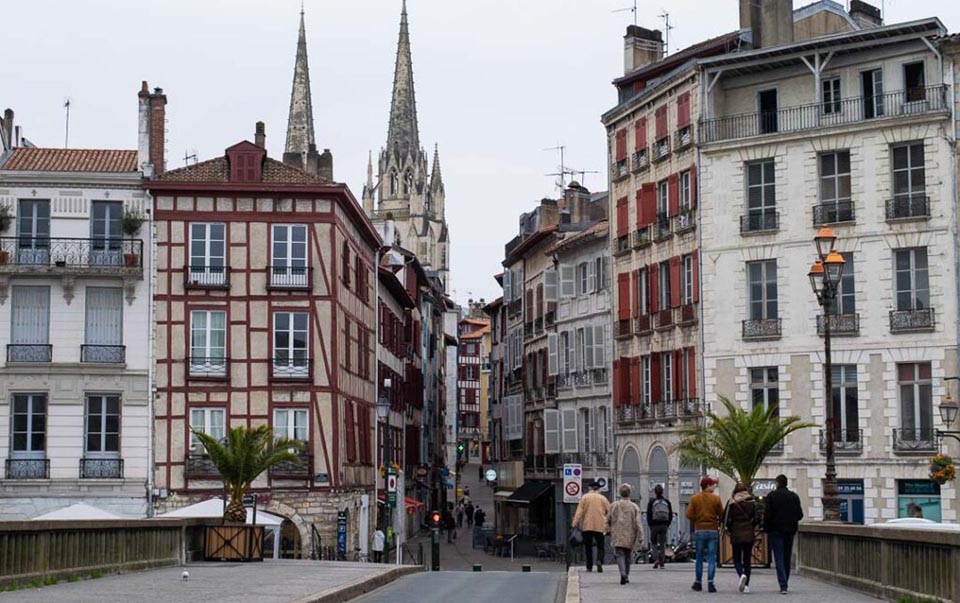
My recent trip to Bayonne was a truly delightful experience. From the coastline of southern France to the traditional villages in the Basque region, every corner of this place is filled with stunning scenery and rich culture. Bayonne, a city known for its unique Basque flair, beautiful architecture, and friendly atmosphere, draws visitors from all around the world. While the city is full of charm, I learned some valuable lessons and safety tips during my journey that I’d like to share, especially for those visiting Bayonne for the first time.
1. Understanding Bayonne’s Basic Overview
Bayonne is located in the southwest of France, part of the Basque Country, and is right next to the Spanish border. The city has a long history, blending French and Spanish cultural influences. Its architecture, restaurants, and even the atmosphere in the streets exude a strong Basque essence. While Bayonne is relatively safe, as tourism continues to grow, it’s essential to keep safety in mind during your visit.
2. Accommodation Choices and Safety
Bayonne offers a wide range of accommodation options, from luxury hotels to guesthouses and youth hostels. It’s important to do some research before choosing your place to stay. Although Bayonne is a small city, staying in the busy city center means being close to transport links, shops, and restaurants, but it also means dealing with large crowds, which increases the risk of petty theft. For my own stay, I chose a quieter location a little further from the city center. The area was calm, well-connected by public transport, and didn’t have the hustle and bustle of tourists around, which helped ensure a more peaceful and secure experience.
3. Luggage Safety and Anti-Theft Tips
Bayonne is a fantastic city to explore on foot, whether you’re strolling along the riverbanks or wandering through the charming old streets. However, it’s easy to lose track of your belongings while exploring, especially in crowded tourist hotspots like narrow alleys, markets, or on public transportation. I’ve personally experienced situations where I nearly lost my belongings, so it’s crucial to be mindful.
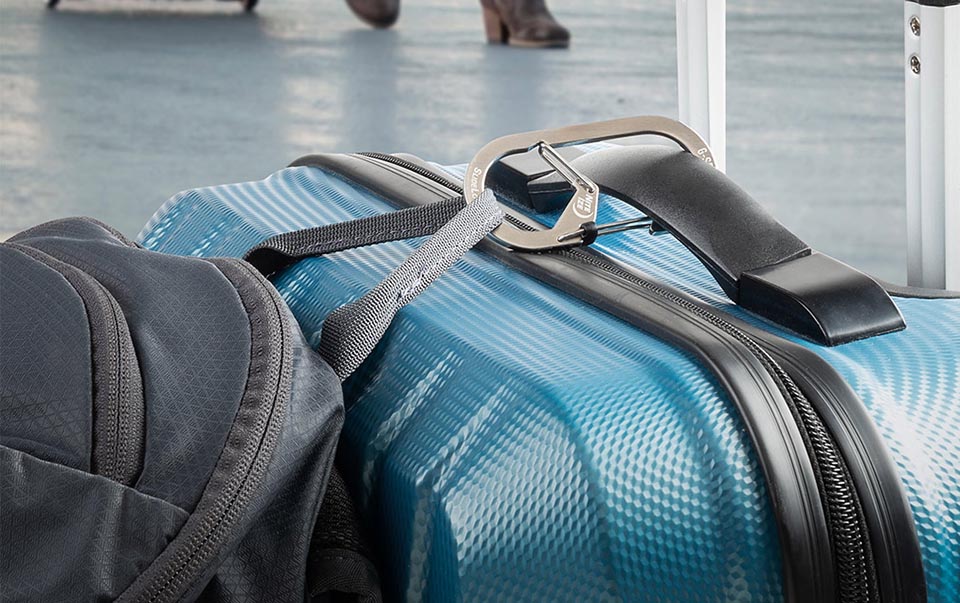
I recommend using backpacks that come with anti-theft features to reduce risks. When using public transport, always carry your backpack in front of you to keep an eye on it. For valuables, such as cash and credit cards, use a hidden money belt or a waist pouch. Avoid keeping large sums of cash or important documents in outer pockets that can easily be accessed by thieves.
4. Traffic Safety and Driving Recommendations
Bayonne’s public transportation system, including buses and taxis, is very convenient, and it’s easy to reach major attractions. If you prefer to drive, renting a car can also be a good option. However, driving in the narrow streets of Bayonne requires special attention. Many roads are quite tight, and traffic can get complicated, especially during peak hours when congestion is common.
During my trip, I made it a point to pay attention to the traffic signs. Many streets in Bayonne, particularly in the old town, are one-way. A small mistake can lead you into a restricted area. When parking, I recommend using secure parking lots, avoiding parking in unfamiliar areas, especially near popular tourist spots. Although Bayonne is a safe city, certain places around the tourist districts can be more prone to minor issues like improper parking or theft.
5. Food and Dining Safety
Bayonne is famous for its delicious Basque cuisine, and its streets are filled with restaurants and cafes offering everything from fresh seafood to traditional Basque ham and rich chocolates and pastries. However, when enjoying the local food, it’s also essential to keep food safety in mind.
When choosing where to eat, I suggest opting for restaurants or food stalls that have a higher foot traffic, indicating a more established reputation for quality and cleanliness. While street food can be inexpensive, the cleanliness of some stalls can vary, which increases the risk of foodborne illnesses. It’s always better to go for places with good reviews or recommendations.
In terms of drinking water, Bayonne’s tap water is safe to drink, but to be extra cautious, I tend to buy bottled water during my walks, especially in hot weather. Staying hydrated is essential, particularly in the summer when temperatures rise.
6. Language and Communication Safety
Although Bayonne is located in France, many of its residents speak French and Basque. If you don’t speak French, you may encounter some communication challenges. While many people understand English, not all restaurant staff or shopkeepers may be fluent. Learning a few basic French phrases will undoubtedly help during your trip.
I personally always try to learn a few key phrases before traveling. Phrases like “Merci” (Thank you), “Bonjour” (Good morning), and “Où est…?” (Where is…?) are simple but effective, allowing me to engage more efficiently with locals and avoid miscommunications due to language barriers.
7. Nighttime Activities and Safety Precautions
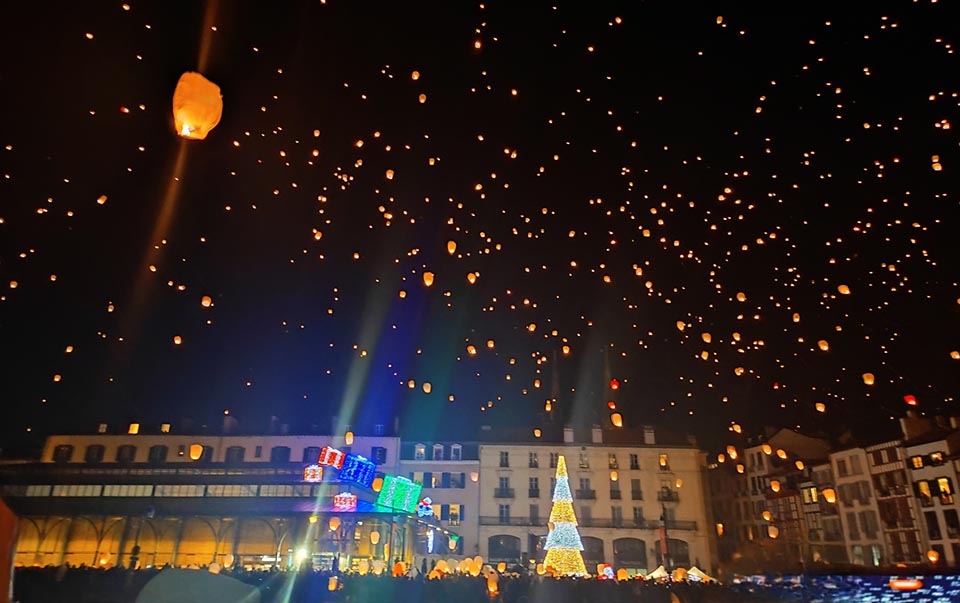
Bayonne comes alive at night, especially in the summer months. The streets are vibrant, with bars, restaurants, and outdoor cafés hosting evening activities that draw both locals and tourists. While the nightlife in Bayonne is lively and fun, it’s essential to be mindful of personal safety when heading out at night.
When I ventured out in the evening, I made sure to avoid less populated areas, especially streets that aren’t well-lit. If I needed to return to my accommodation, I always chose well-lit main roads or places where I could find other pedestrians. Even though Bayonne is generally safe, there’s always a certain level of risk at night, so I found it best to travel with a group whenever possible.
8. Emergency Situations and How to Handle Them
While Bayonne is a safe destination, like any other place, unexpected situations may arise during your trip. Whether it’s getting lost, feeling unwell, or losing your wallet, knowing what to do in emergencies is key.
In Bayonne, the emergency number for police, fire, and medical services is 112, which is a standard emergency number across the EU. If you lose any personal belongings, you can contact the local police station to report it.
Additionally, if you experience health issues, Bayonne has good medical facilities, including hospitals and clinics. If you need medical help, you can either go directly to a local healthcare provider or ask your hotel’s reception to guide you.
9. Enjoying Bayonne’s Charm and Staying Safe
Bayonne is a charming city with beautiful sights, rich culture, and delicious food. Through careful planning and attention to safety, my experience in Bayonne was both delightful and worry-free. Whether it’s accommodation, transportation, dining, or communication, being prepared in advance and adhering to basic safety principles can make your stay even more enjoyable.
Traveling is not just about sightseeing, it’s about experiencing different cultures and making new connections. By staying alert, preparing properly, and handling unexpected situations with ease, Bayonne can truly be a memorable destination for any traveler.